A Weekly Dispatch on Time-Lapse Craft
The slowest
images move
the fastest.
Each issue dissects one time-lapse sequence — the rig, the intervalometer settings, the two-hour wait for fog to lift off a valley at 4 a.m. Craft, not content.
No ads. Unsubscribe in one click. 4,200+ photographers already inside.
The Archive
47 issues.
Each one a lesson.
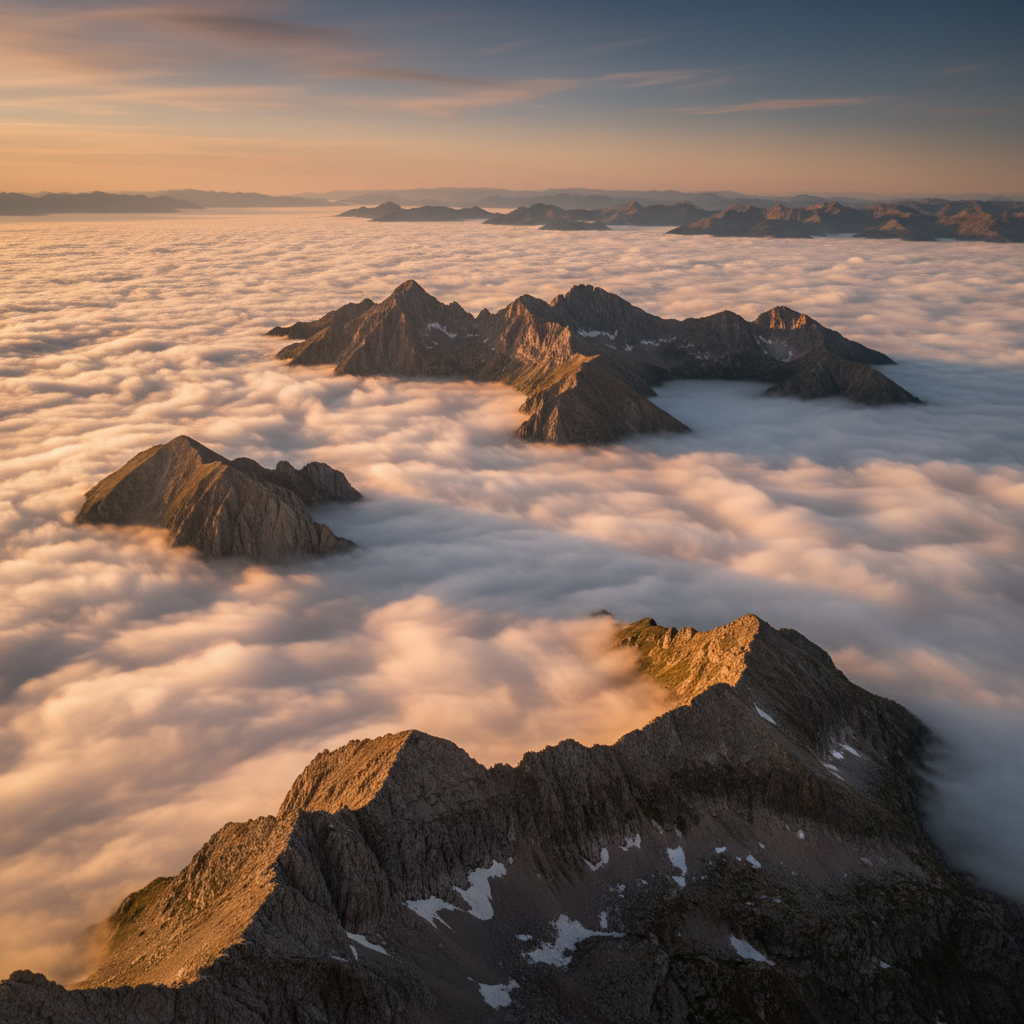
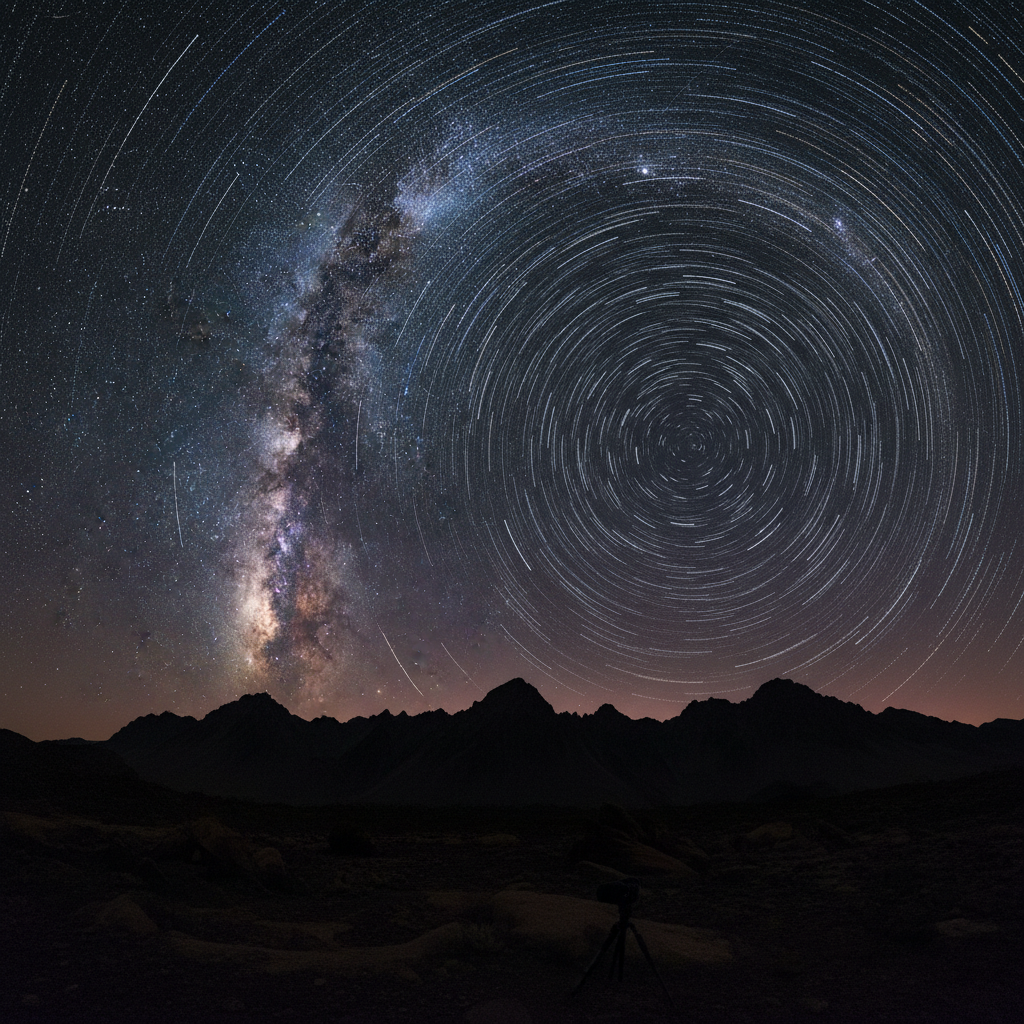
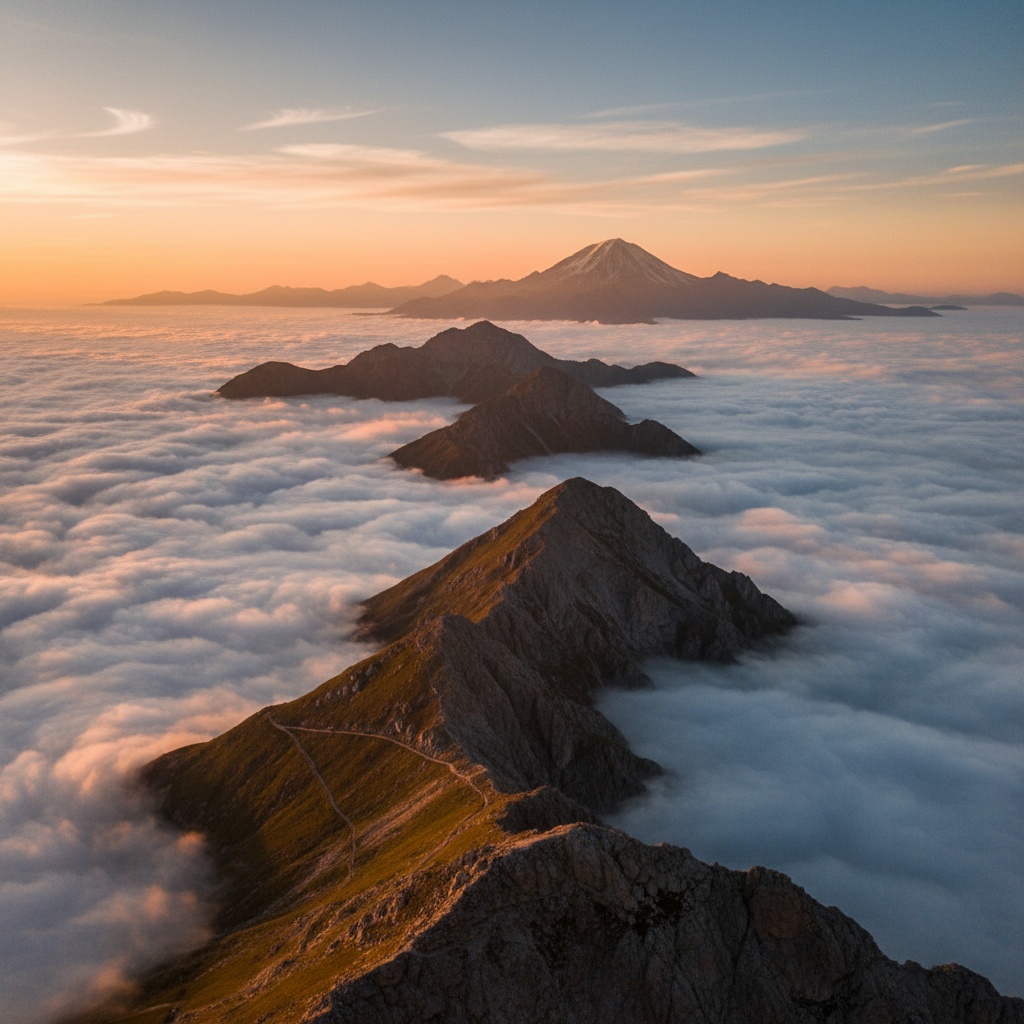
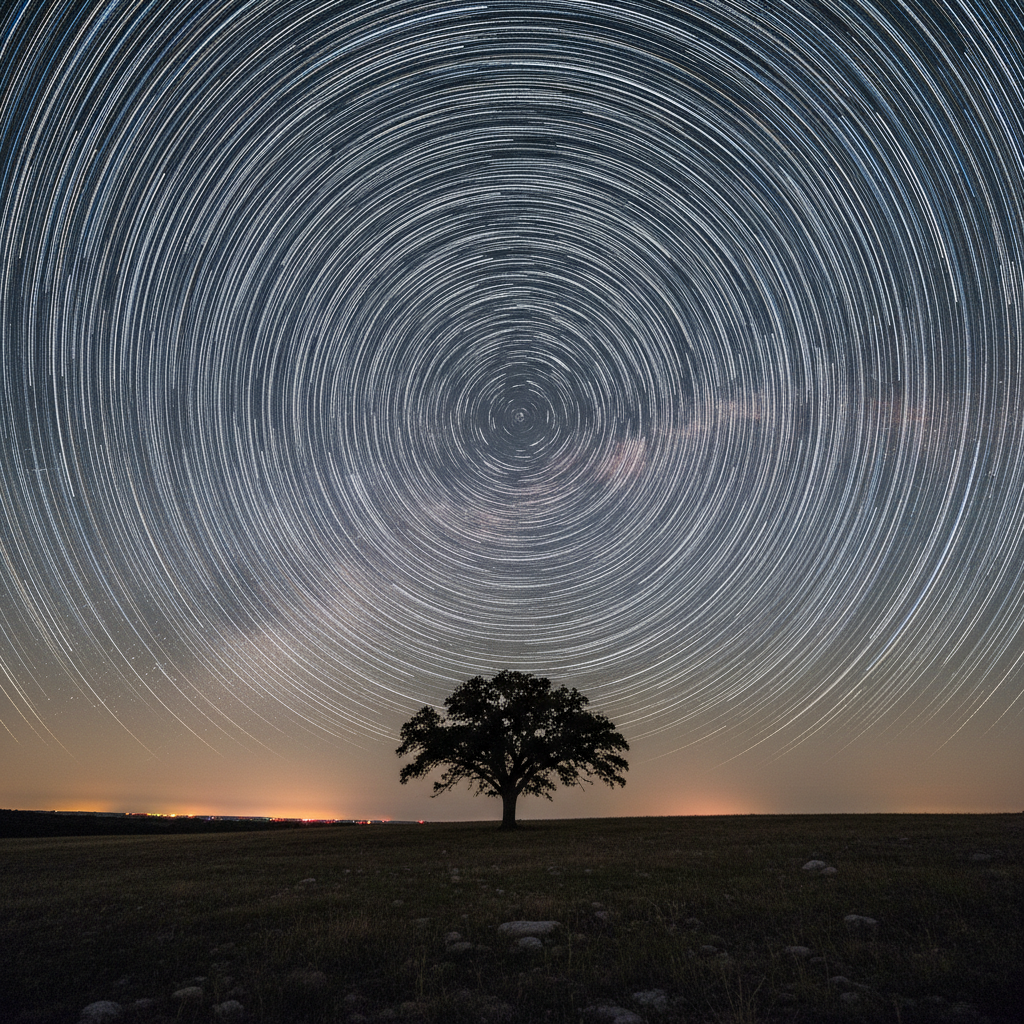
Browse the archive below. Every tile is a past issue — tap any one to read the opening. The full breakdown lives in your inbox.
The Intervalometer Deep Dive
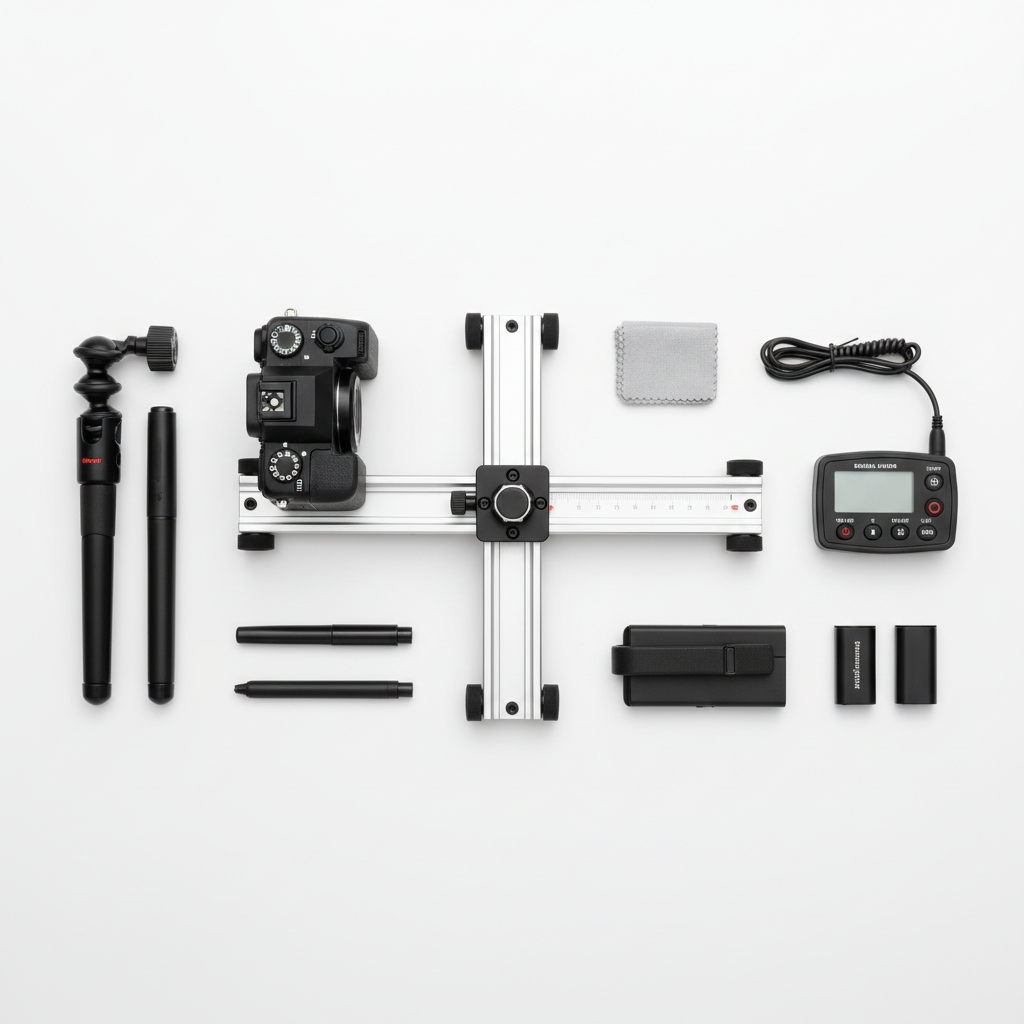
Gear Breakdown: The Sub-$500 Travel Rig

Blooming in 72 Hours: The Flower Rig Breakdown
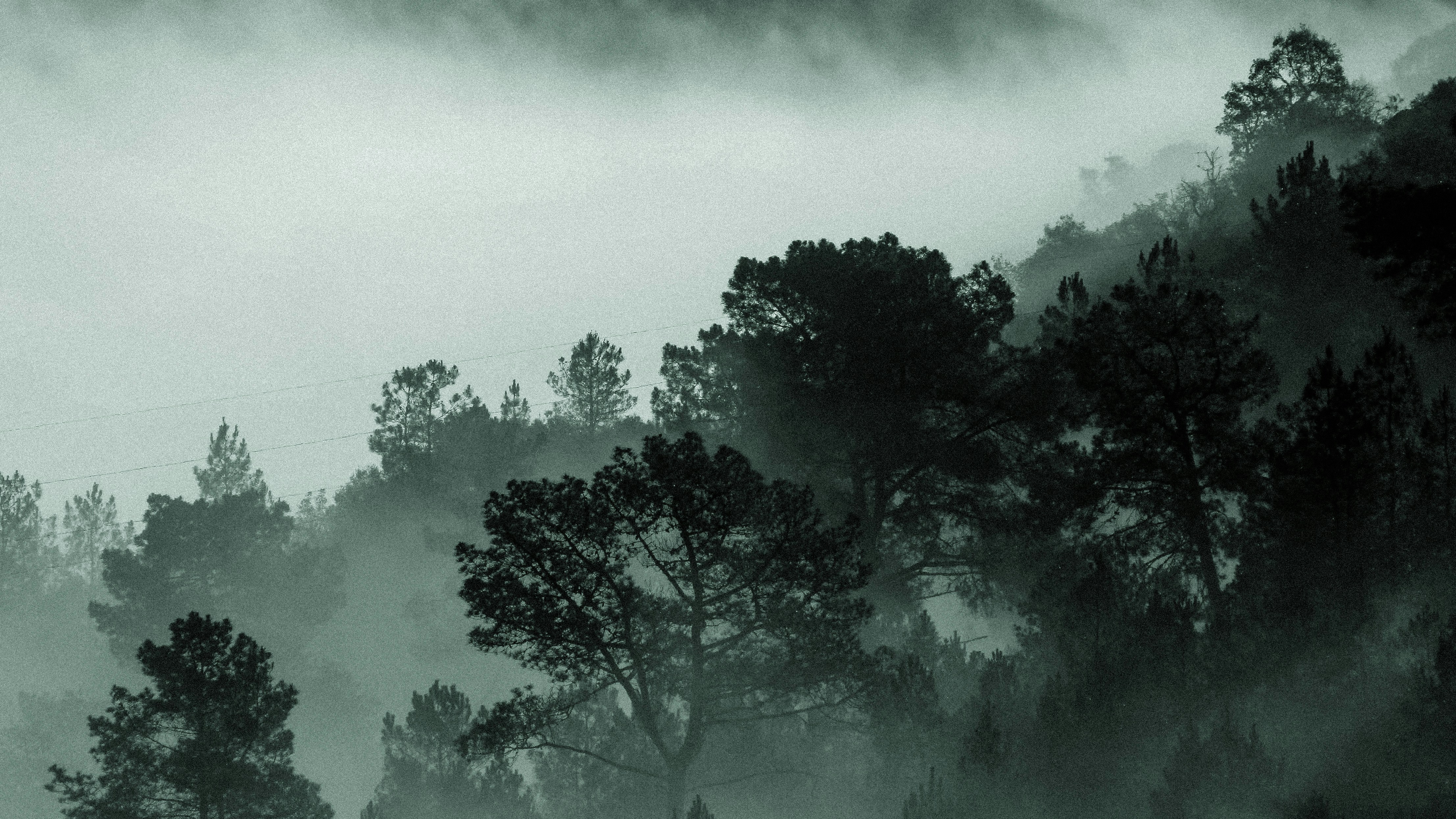
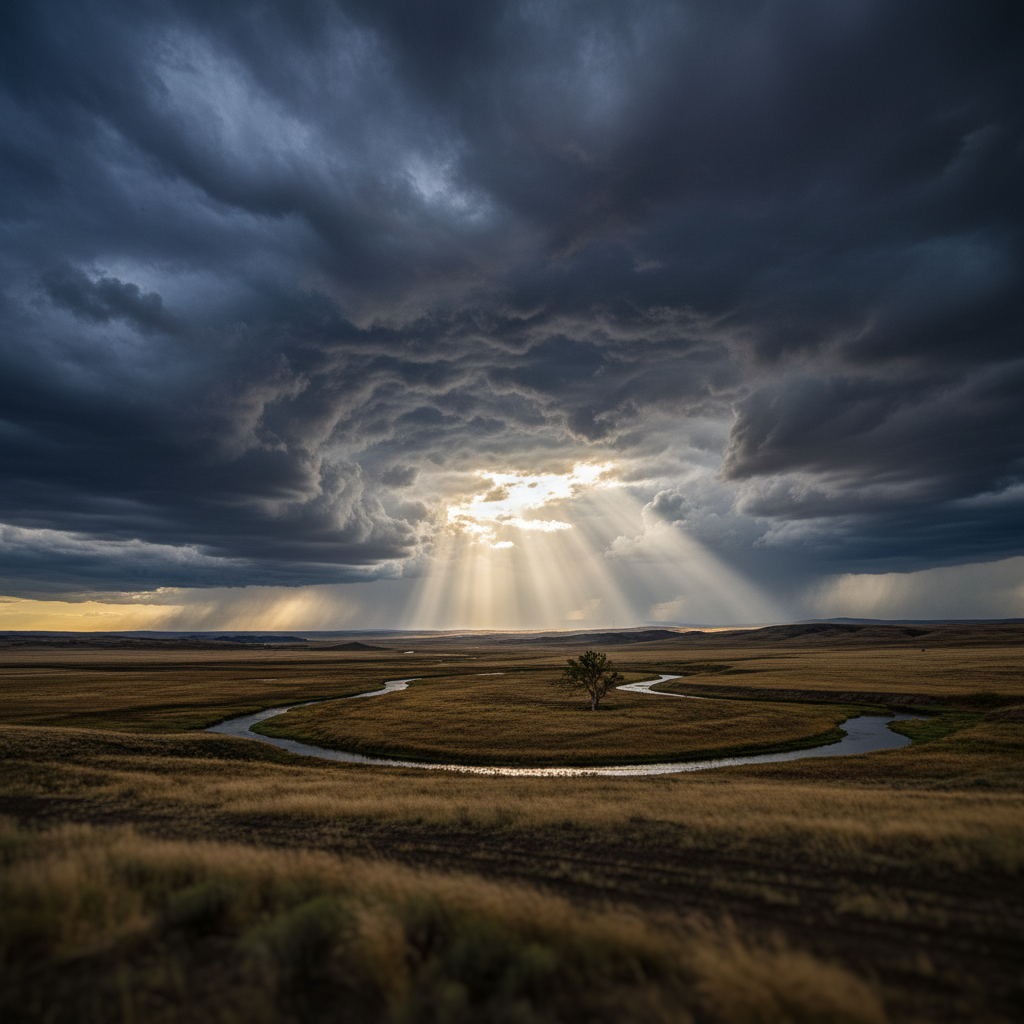
Weather API as Creative Tool
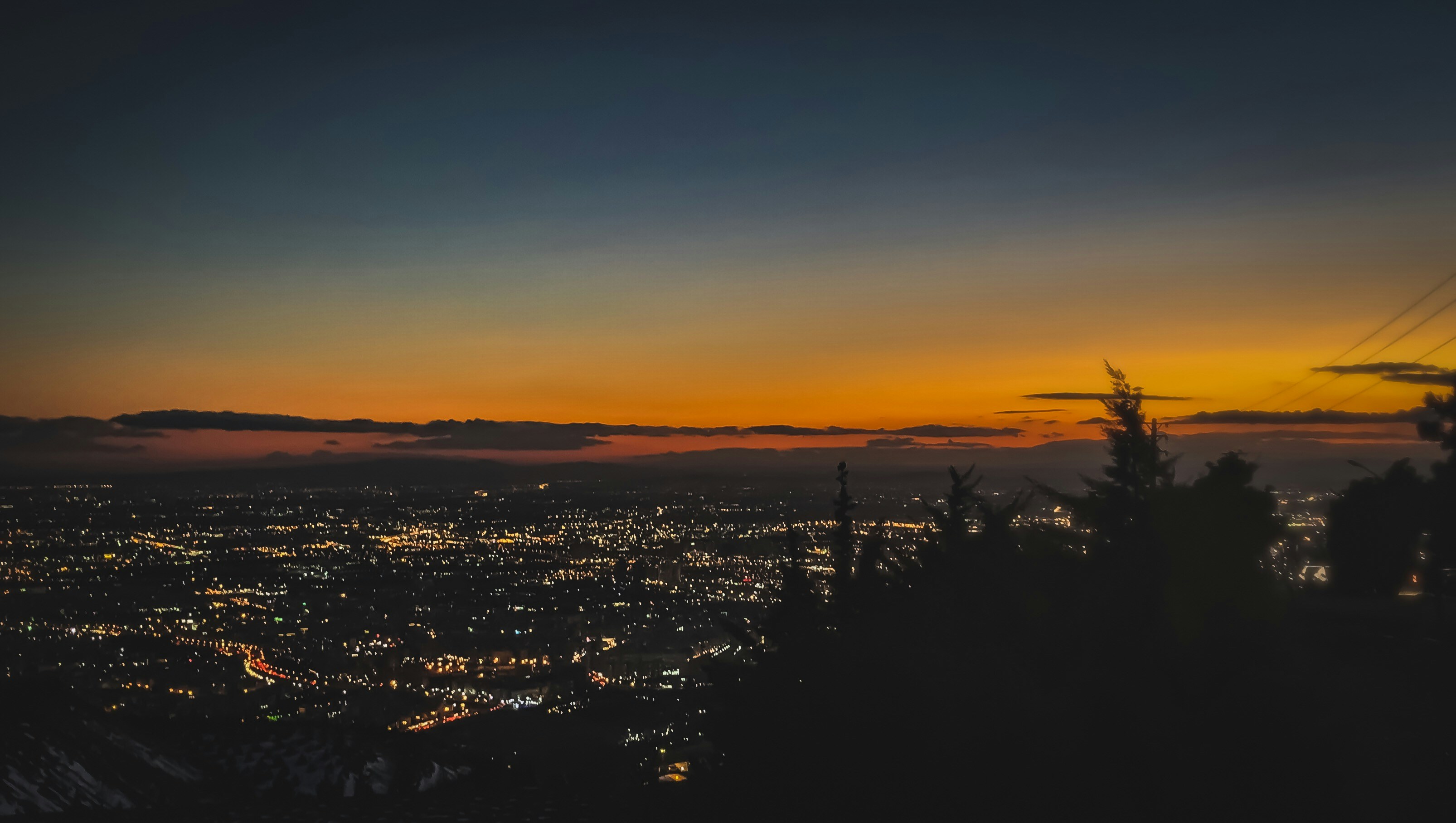
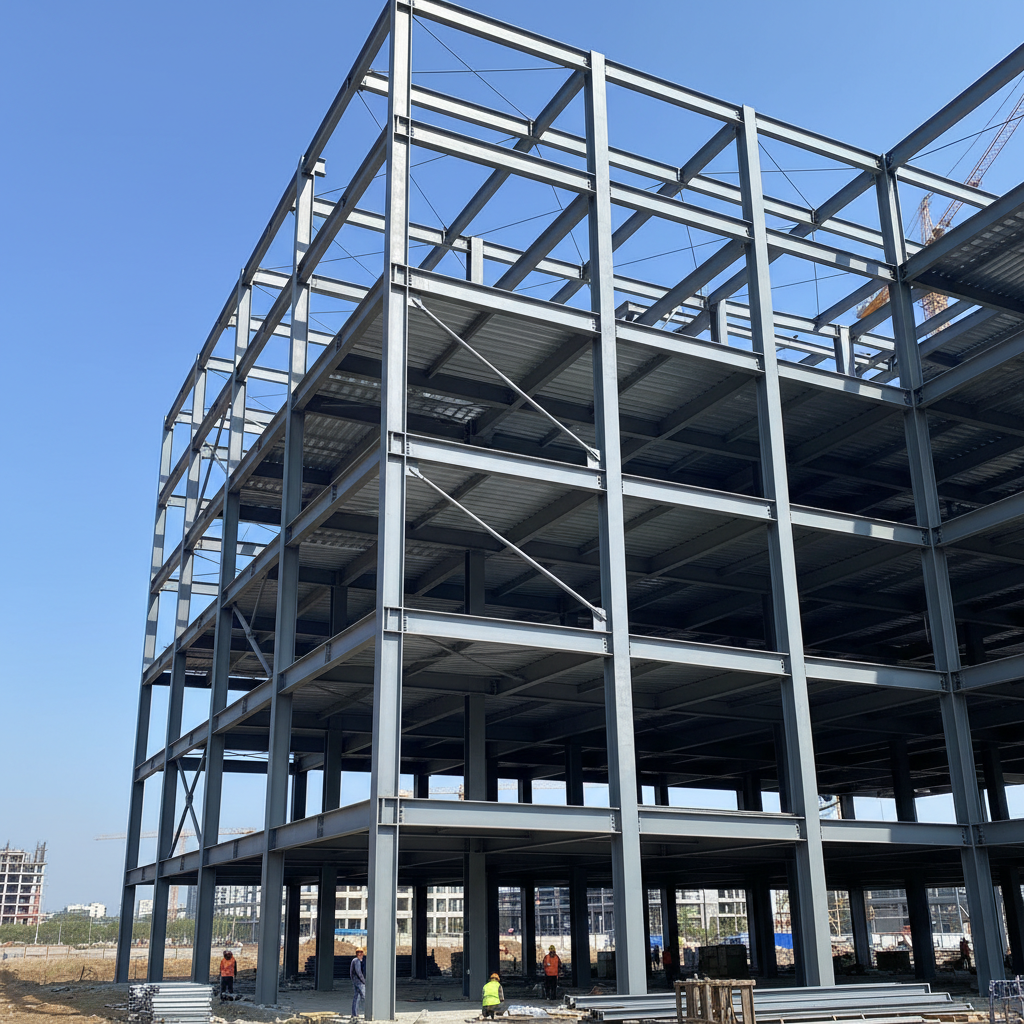
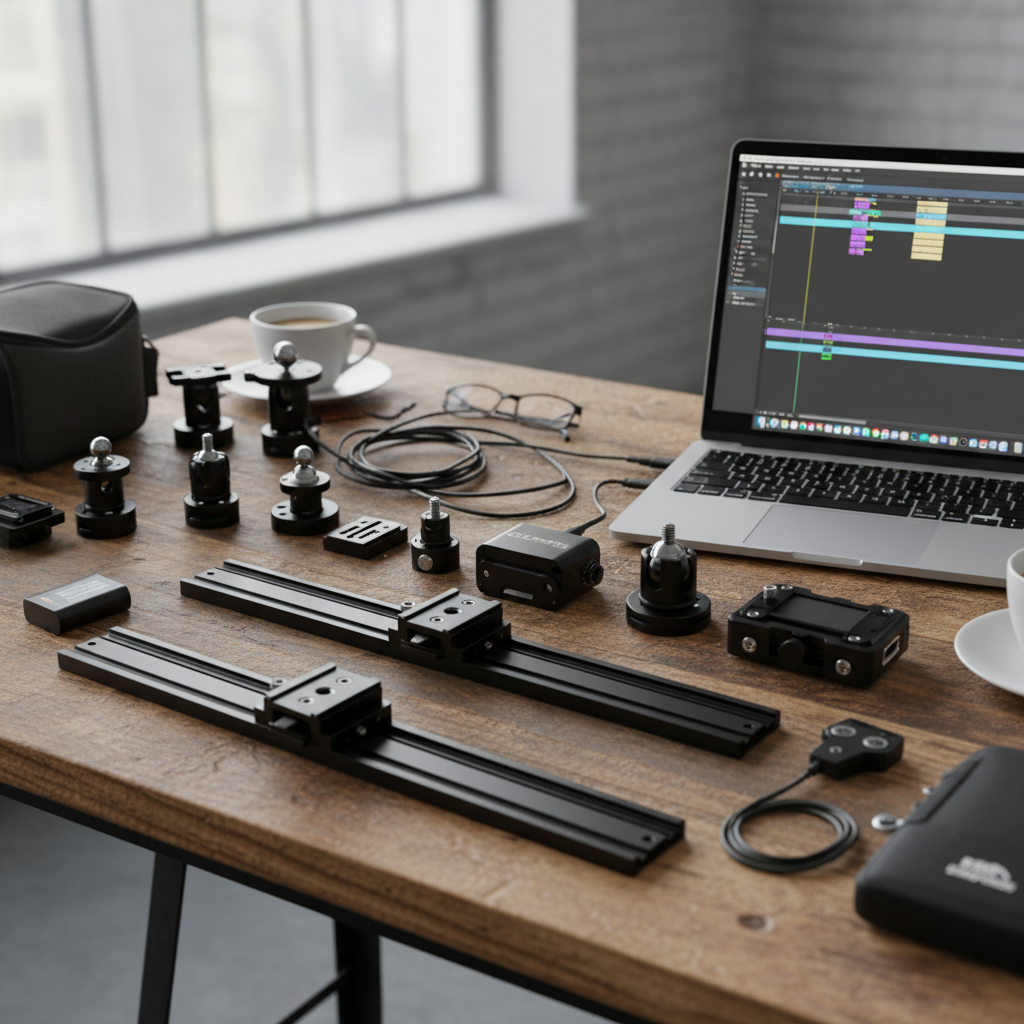
Slider Moves That Don't Look Like Slider Moves

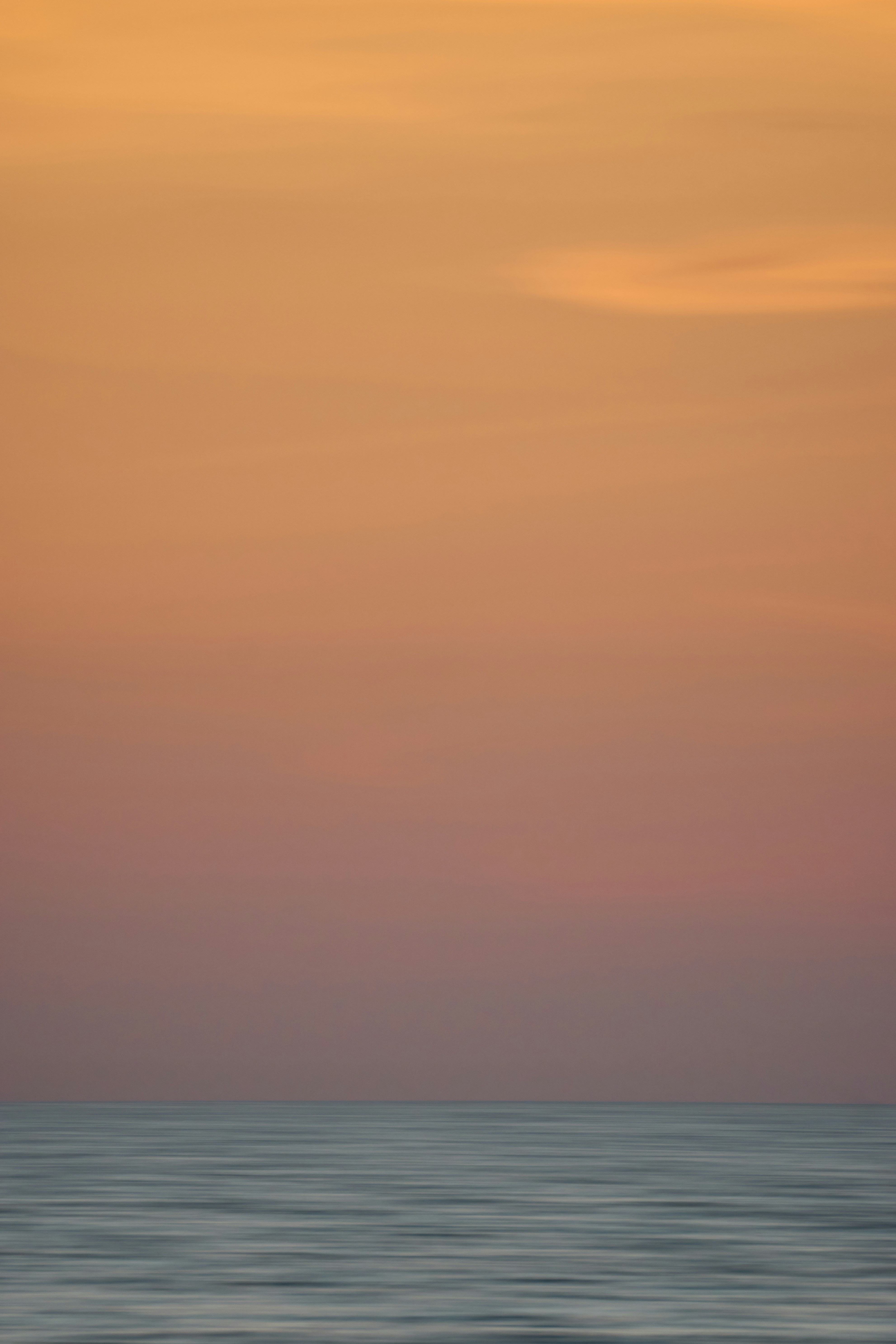
Ocean Sequences: Salt, Sand, and Sensor Survival
Blooming in 72 Hours: The Flower Rig Breakdown
The Intervalometer Deep Dive
Slider Moves That Don't Look Like Slider Moves
Weather API as Creative Tool
Gear Breakdown: The Sub-$500 Travel Rig
Ocean Sequences: Salt, Sand, and Sensor Survival
Blooming in 72 Hours: The Flower Rig Breakdown
The Intervalometer Deep Dive
Slider Moves That Don't Look Like Slider Moves
Weather API as Creative Tool
Gear Breakdown: The Sub-$500 Travel Rig
Ocean Sequences: Salt, Sand, and Sensor Survival
Showing 12 of 47 issues
Who It's For
Three disciplines.
One obsession.
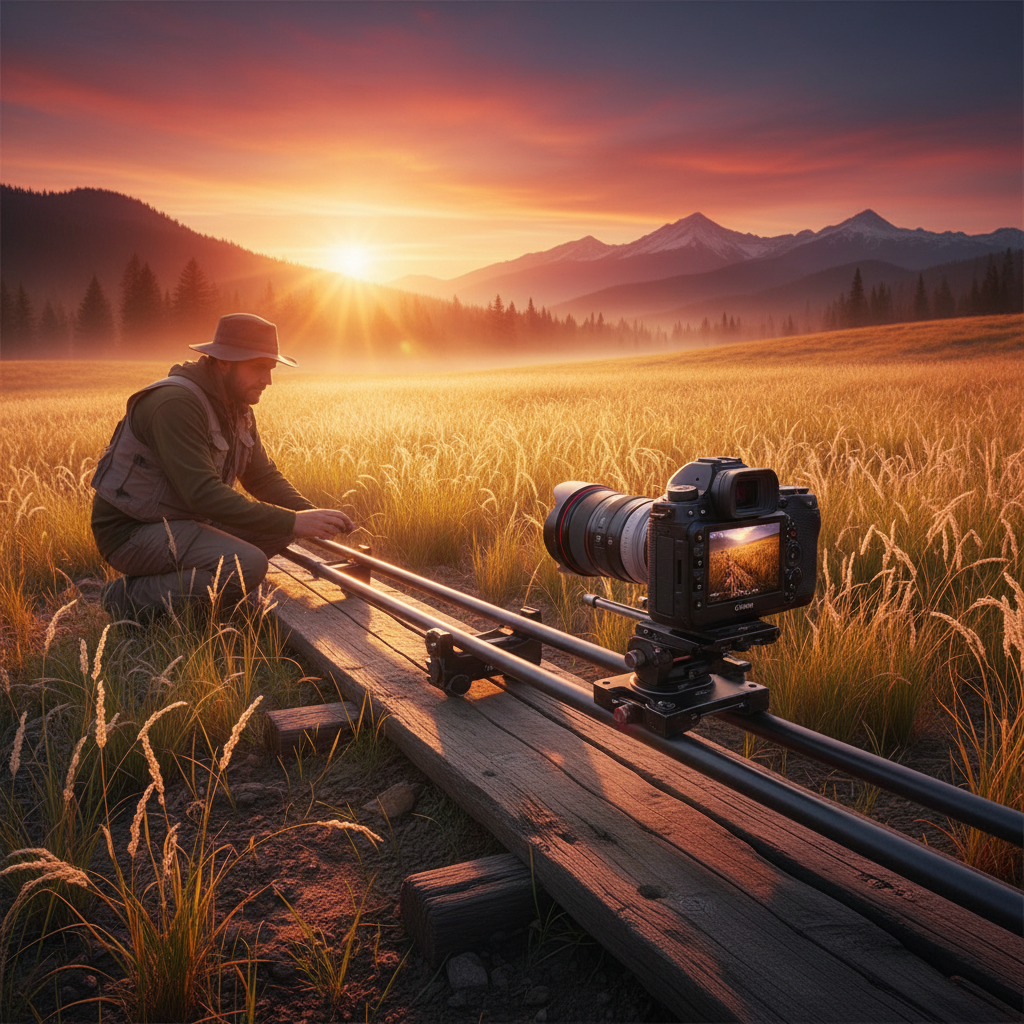
You own a slider. You haven't nailed the holy grail yet.
Exposure ramping from daylight to deep blue hour without a single flicker frame. The intervalometer settings that make the difference. The move that looks cinematic instead of mechanical. Issue No. 36 is written for you.
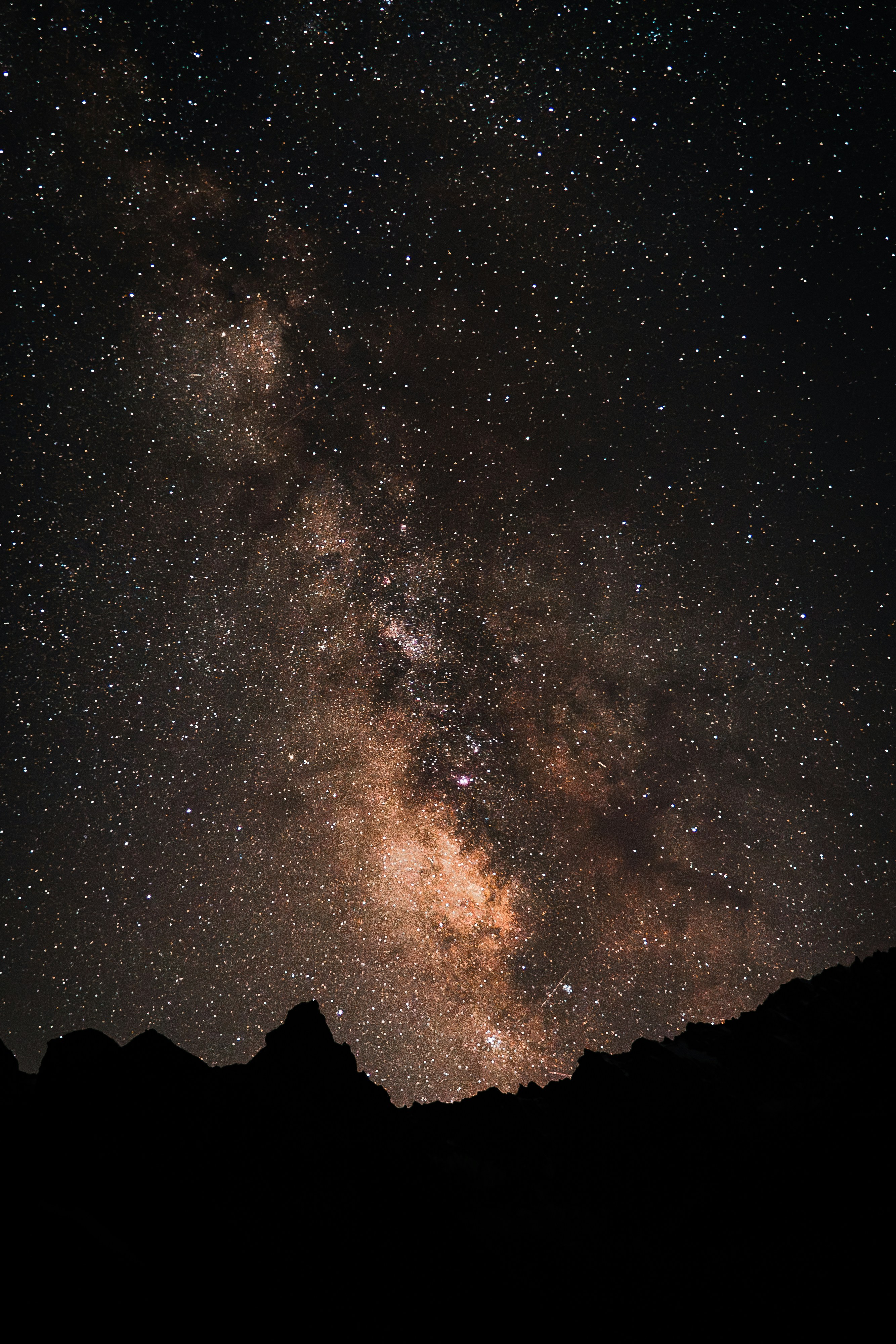
Chasing star trails on moonless weekends.
The 500-frame Milky Way stack. Dew heater wiring that won't kill your intervalometer. The one post-processing step that separates a good star trail from a great one. 47 nights of failure distilled into one issue.
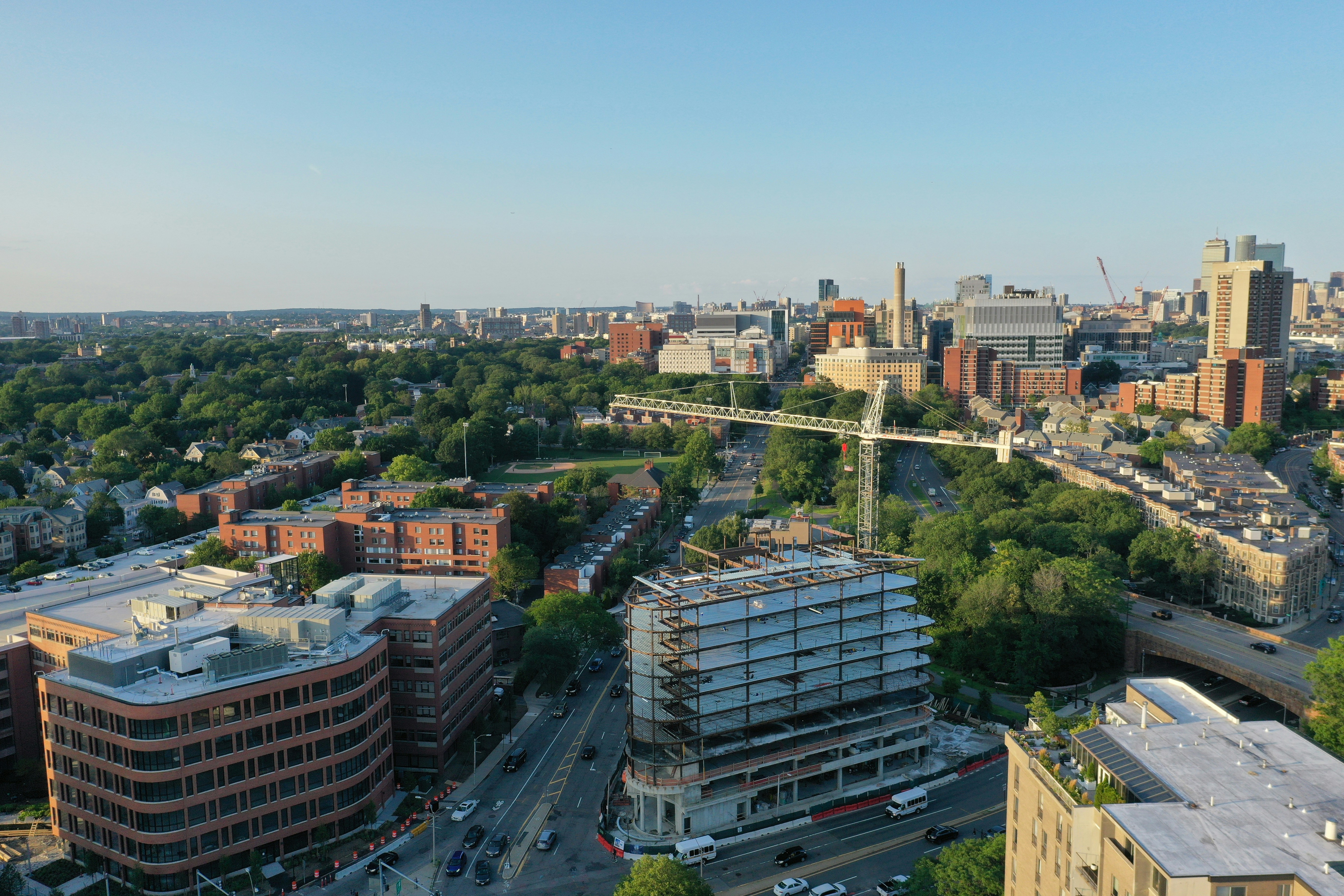
Billing clients for months-long rooftop captures.
How to scope a 90-day construction contract. The solar panel power system that survived a Chicago winter. The deliverable format your client actually wants. And how to price patience as a professional service.
Sample Issue
Issue No. 44: The Milky Way Core
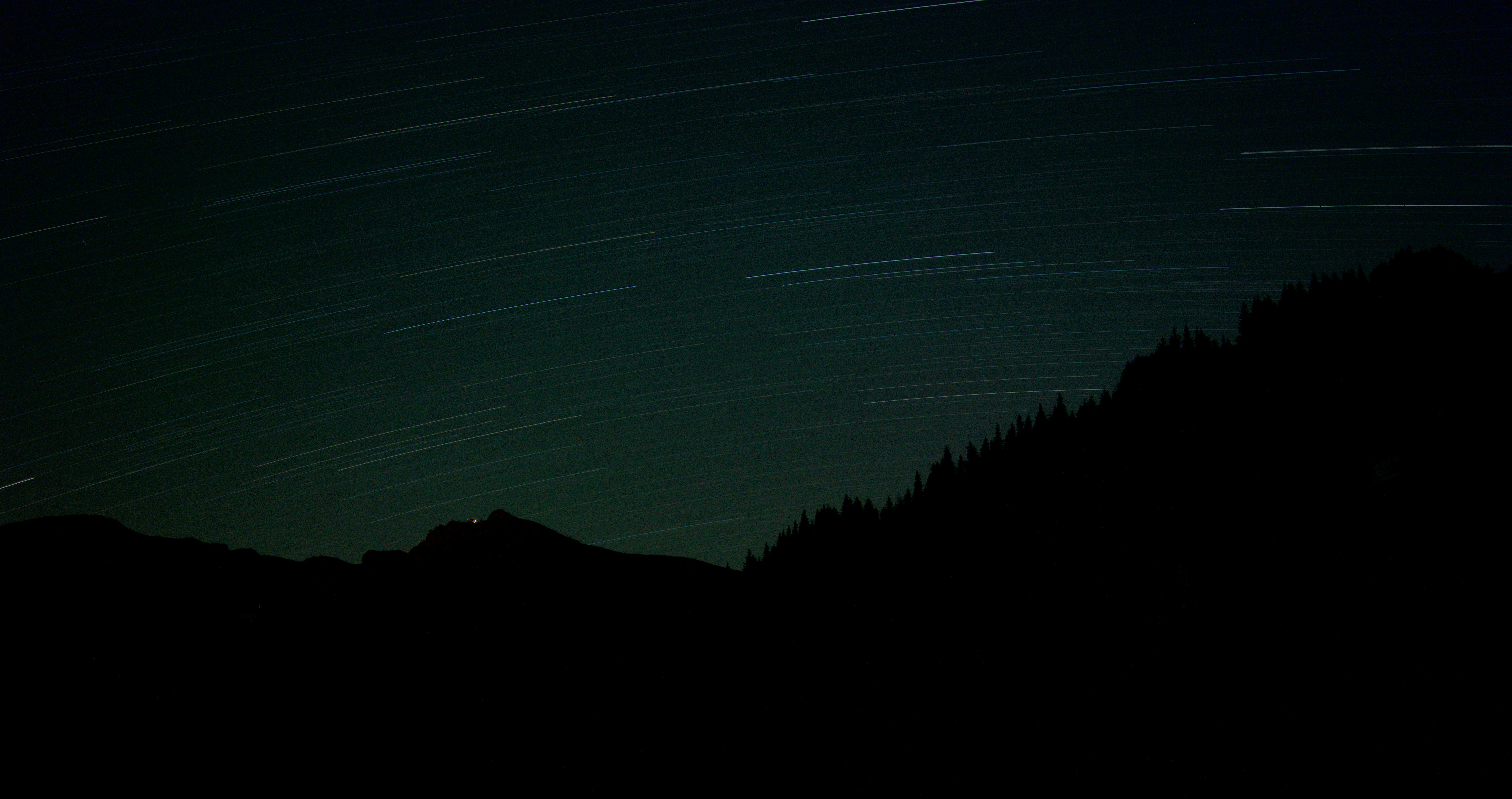
Photographed: Dolomites, Italy
47 nights · 500 frames · 1 sequence
"The shutter interval is a meditation. Each click is a breath. The image you're making doesn't exist yet — and won't for six hours."
Night 47. The temperature had dropped to −4°C and my intervalometer had frozen twice already. I was on the north face of the Tre Cime di Lavaredo, tripod legs sunk three inches into frozen scree, waiting for the galactic core to clear the ridge at 02:34 local time.
I had been doing this every moonless weekend for eleven months. The first 46 nights taught me something no YouTube tutorial ever mentioned: the technical problem with astrophotography time-lapses isn't the exposure. It's the dew.
At 2,400 meters in late autumn, moisture condenses on your front element within 40 minutes of sunset. By the time the Milky Way core rises, you've already lost your sequence. The $12 dew heater strip I eventually wired to my lens hood changed everything.
Here's the full rig breakdown: a Sony A7 IV at ISO 3200, 14mm f/1.8, 25-second exposures, 2-second interval. 500 frames over 4 hours and 10 minutes. The resulting 20-second sequence at 24fps shows the core rising, tracking, and setting — the entire arc of the galactic center visible as continuous motion for the first time in my work.
The post-processing workflow is where most astrophotography sequences fall apart. The problem isn't noise reduction — it's the star alignment across 500 frames when your tripod shifts 0.3mm due to thermal contraction. Here's the exact Lightroom and Sequator workflow I use...
Full breakdown in your inbox —
The Sequator workflow, the dew heater wiring diagram, and the exact color grading LUT for Milky Way sequences. Free with your subscription.
Weekly · Free · No Ads
Press play on
the next issue.
Every Sunday morning: one time-lapse sequence, one complete technical breakdown. The gear, the settings, the patience.
4,200+ photographers. Unsubscribe in one click.